
Mission Statement
In the Smith Lab, we investigate cell intrinsic and extrinsic aspects of chimeric antigen receptor (CAR)-T cell biology to develop next generation cellular immunotherapies. Specifically, we focus on strategies to develop CAR-T cells from allogeneic sources as well as the interrogation of the intestinal microbiome and its role on the modulation of CAR-T cell response. To this end, we have a multidisciplinary team with expertise in cell biology, immunology, computational biology, and the development of experimental models. The overarching goal of our research is to gain insights that may help to improve patient outcomes.

Next Generation CAR-T Cells
For patients confronting relapsed or refractory hematological malignancies, allogeneic hematopoietic cell transplantation (allo-HCT) represents a promising strategy to potentially achieve a cure. Nevertheless, despite its therapeutic potential, the issues of relapse and graft-versus-host disease (GVHD) – a complication arising when donor T cells recognize host tissue as foreign – continue to contribute significantly to morbidity and mortality. Dr. Smith’s prior investigations have elucidated the safety and feasibility of employing chimeric antigen receptor (CAR) T cells as a post-allo-HCT therapeutic intervention (Ghosh A, Smith M et al., Nature Medicine 2017; Smith M et al., Blood 2018).
In this context, our research endeavors concentrate on integrating CAR T cell therapy within the post-transplant setting. By utilizing genetic engineering techniques to modify T cells and exploring innovative CAR T cell designs, our primary objective is to unravel the intricate mechanisms underlying the safe development of donor-derived cellular therapies. These studies enable us to broaden our understanding of CAR T cell therapy, potentially improving patient outcomes by reducing disease relapse after allo-HCT.

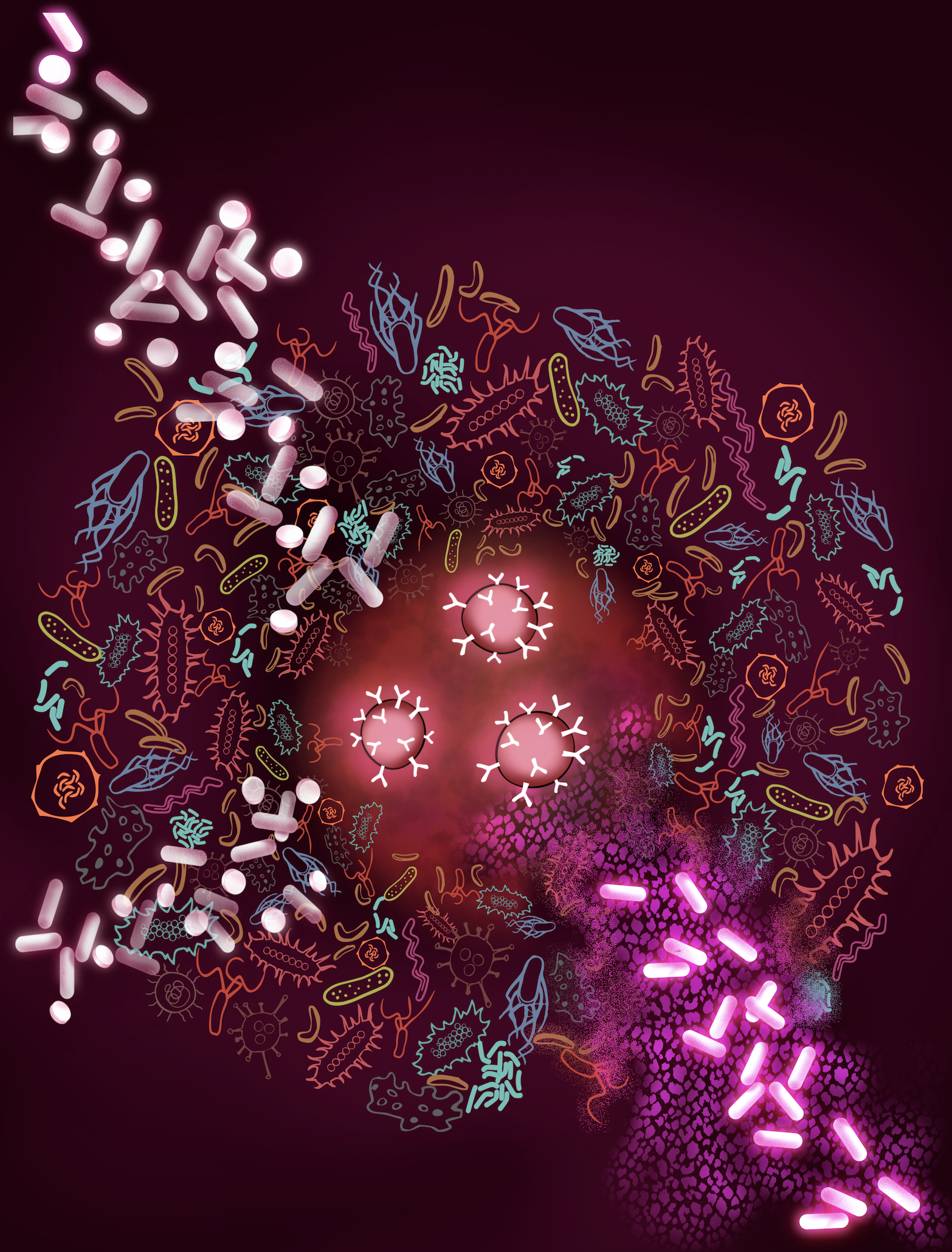
Credit: Gerardo Sotillo (Llum dimensions)
Intestinal Microbiome
CAR T cell therapy has broadened the treatment landscape for many cancers, particularly for patients with relapsed or refractory B-cell acute lymphoblastic leukemia and non-Hodgkin lymphoma. However, many of these patients may experience disease relapse or treatment-related toxicity. While several investigators are evaluating the impact of the tumor microenvironment or T cell biology as mechanisms of CAR T cell failure, the Smith lab is exploring the role of endogenous factors on CAR T cell activity.
Dr. Smith led a study that found that exposure to antibiotics in the four weeks before CD19 CAR T cell therapy—especially piperacillin/tazobactam, meropenem, and imipenem/cilastatin—is associated with worse overall survival and increased immune effector cell-associated neurotoxicity syndrome (ICANS) (Smith M., et al. Nature Medicine, 2022). She also identified characteristics of the intestinal microbiome and specific bacterial taxa associated with clinical outcomes. Based on these findings, we are now leveraging mouse models, patient cohorts, next-generation sequencing, and computational approaches to investigate the mechanisms by which antibiotics and specific intestinal microbiome taxa regulate CAR T cell anti-tumor activity and toxicity (Xie J and Smith M. Blood 2024; Darwin A, Xie J, and Smith M. Blood Advances 2025).
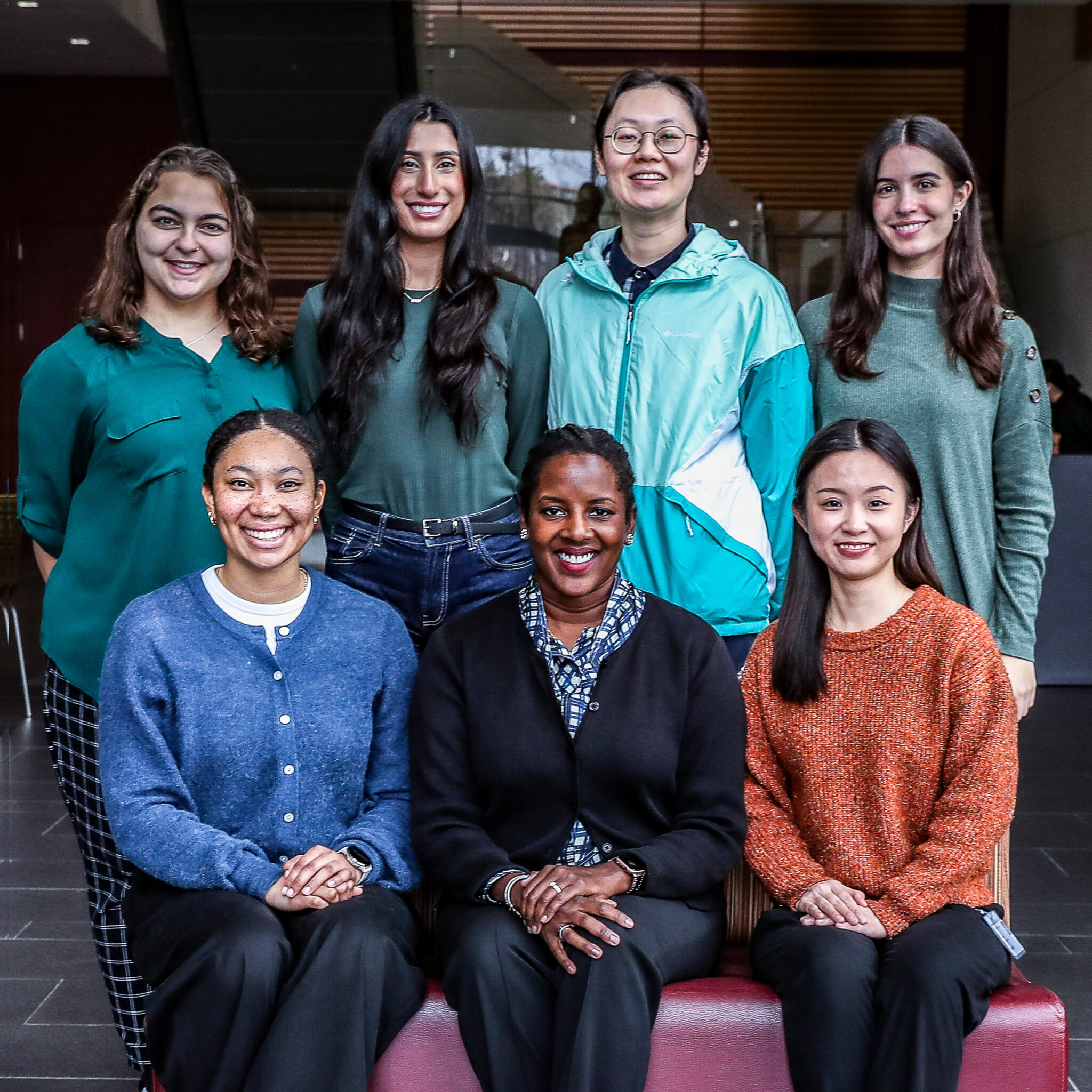
People
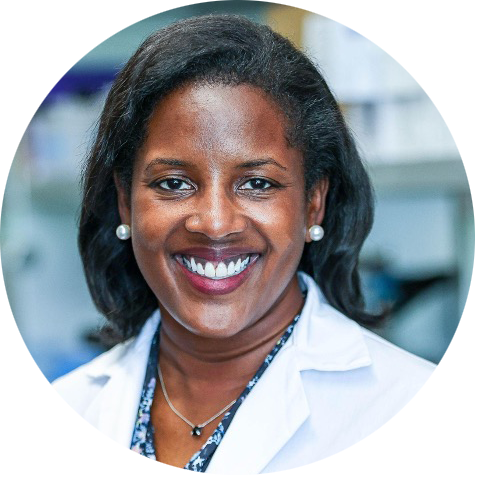
Principal Investigator
Dr. Melody Smith received her B.S. at Vanderbilt University, and she received her MD with Distinction in Research from the University of Texas Southwestern Medical School in Dallas. She also completed an internship and residency in Internal Medicine at the University Texas Southwestern. She subsequently moved to Memorial Sloan Kettering Cancer Center (MSK) to complete her fellowship in Hematology & Medical Oncology. She joined the faculty at MSK in 2015 as an Instructor of Medicine on the Adult Bone Marrow Transplant Service, and she was promoted to Assistant Member Level 1 in 2017. During her time as junior faculty at MSK, she obtained a Master of Science from Weill Cornell Graduate School of Medical Sciences in Clinical & Translational Investigation. As of September 2021, she joined the faculty at Stanford University as an Assistant Professor on the BMT-CT Service in the Department of Medicine where she established her independent lab. Her research focuses on strategies to develop cellular immunotherapy from allogeneic as opposed to autologous sources (Ghosh A* and Smith M* et al. Nat Med 2017; * denotes co-first authorship). She also investigates the regulatory mechanisms for the impact of the intestinal microbiome on CAR-T cell outcomes (Smith M. et al. Nat Med 2022). Dr. Smith has received funding from several foundations including, the Damon Runyon Cancer Research Foundation, Be the Match Amy Strelzer Manasevit Research Program, and the V Foundation.
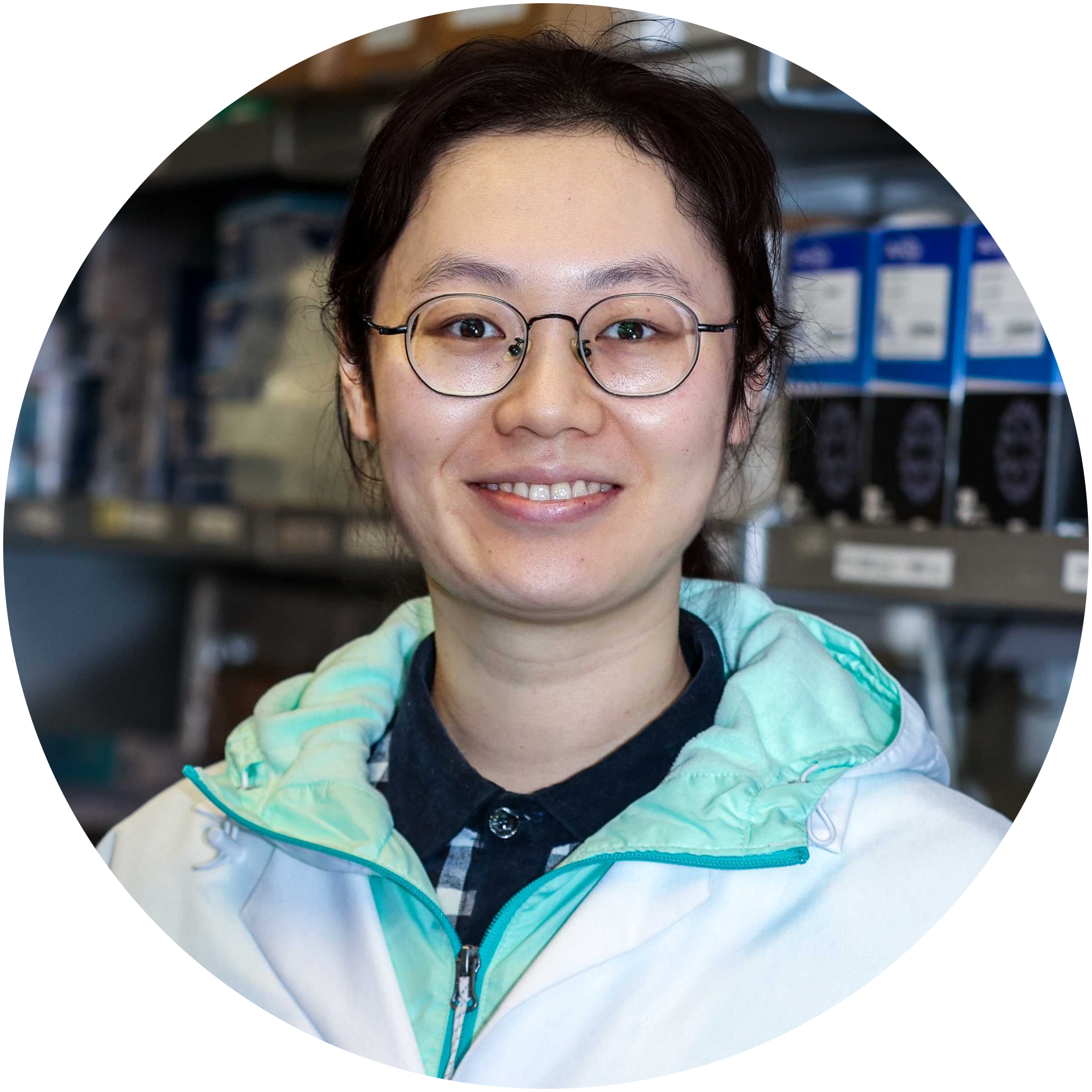
Postdoctoral Fellow
Zhenyu’s research focuses on developing new immunotherapies to help patients. While completing her Ph.D. at the Huazhong University of Science and Technology in Wuhan, China, she conducted research on CAR-T therapy for B-cell and T-cell malignancies. Some of her findings have benefitted patients in clinical trials and she hopes to help more patients by further investigating off-the-shelf immunotherapies in the Smith Lab.
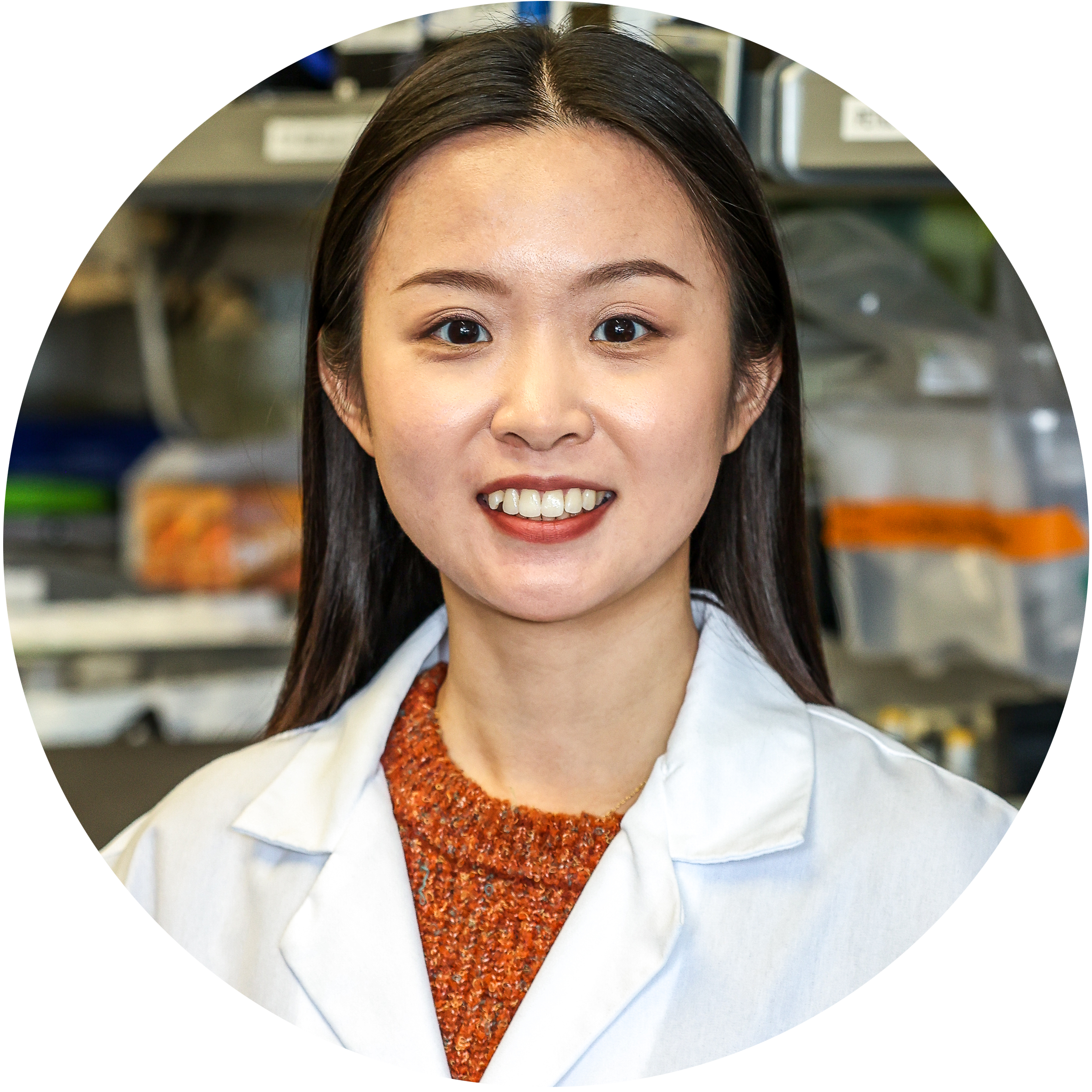
Postdoctoral Fellow
Jiayi joined the Smith lab in September 2022 after receiving her Ph.D. from Sun Yat-sen University. During her graduate training, she studied the heterogeneity and functions of hematopoietic stem cells and their niche component. While studying the immune functions of megakaryocytes, she fell in love with immune cells, especially CAR-T cells. Now in the Smith lab, Jiayi is studying how gut microbiota and microbiome-derived metabolites facilitate CAR-T cell functions.

Life Science Research Professional
While completing her B.S. in Biotechnology at UC Davis, Nadia worked in the biotechnology section of the California Animal Health and Food Safety Laboratory. Here, she provided diagnostic testing of animals throughout the nation to safeguard the state’s public health and maintain the food supply. Her interests include immunology and molecular biology–specifically how novel molecular techniques can be used to improve cell function. She is excited to learn more about immunology and how altering the genetic makeup of T cells can lead to cancer treatment. In the lab, she helps investigate off-the-shelf CAR-T cell immunotherapies.
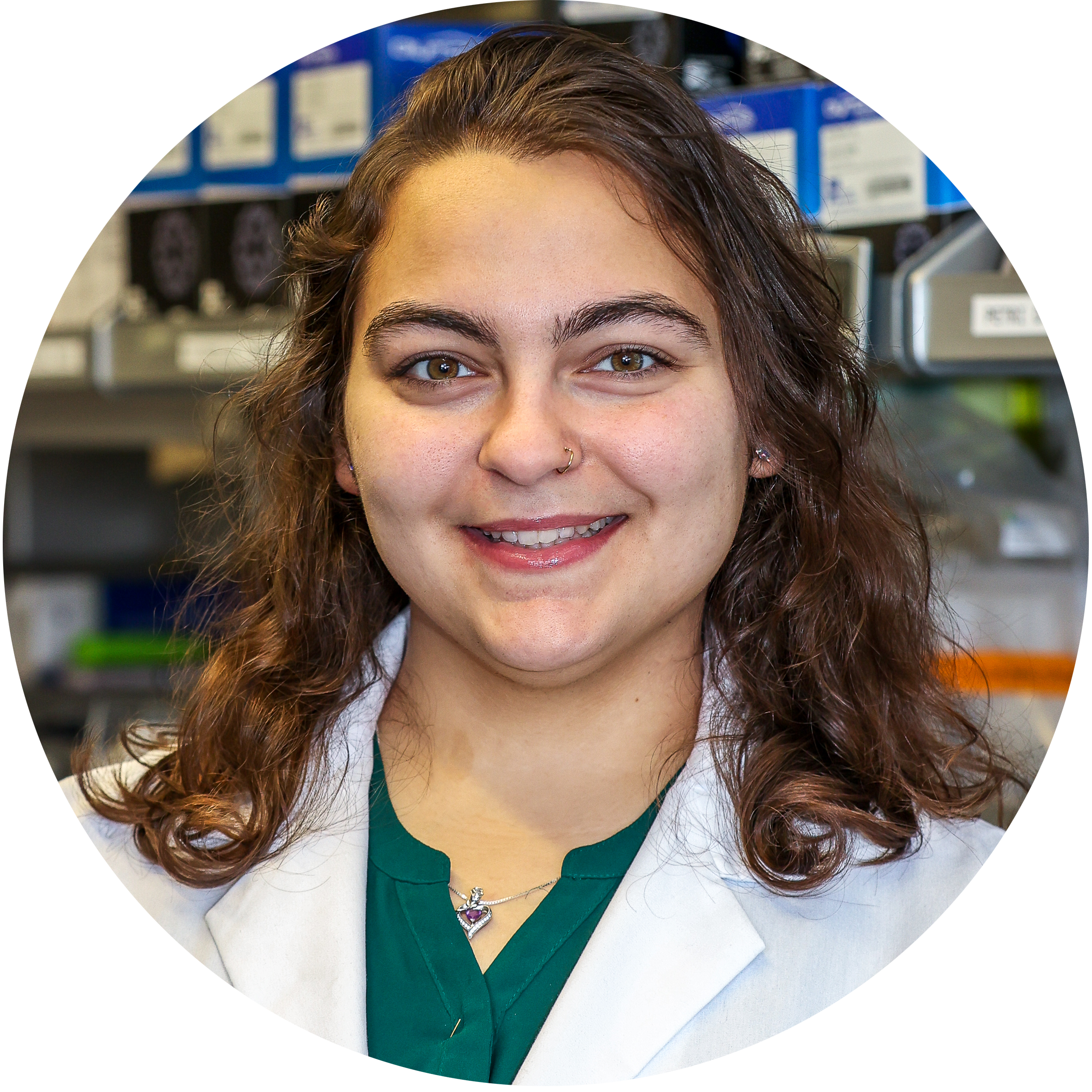
Life Science Research Professional
Sarah joined the Smith lab in October 2022 after receiving her BA in Public Health Policy from Princeton University. Prior to joining the lab, Sarah was working in a biotechnology company focusing on non-invasive testing for post-transplant rejection as well as relapse following HSCT in leukemia patients. In the Smith Lab, Sarah’s main role consists of coordinating the banking of clinical human research samples for downstream processing in order to explore the relationship of the gut microbiome on the immunomodulation of CAR-T cell therapy. As a pre-med, Sarah hopes to return to academic medicine following medical school to focus on research related to oncology and autoimmunity while helping mentor the next generation of physicians and scientists. Outside of the lab, Sarah enjoys cooking, kickboxing, nature outings, and spending time with her cats.
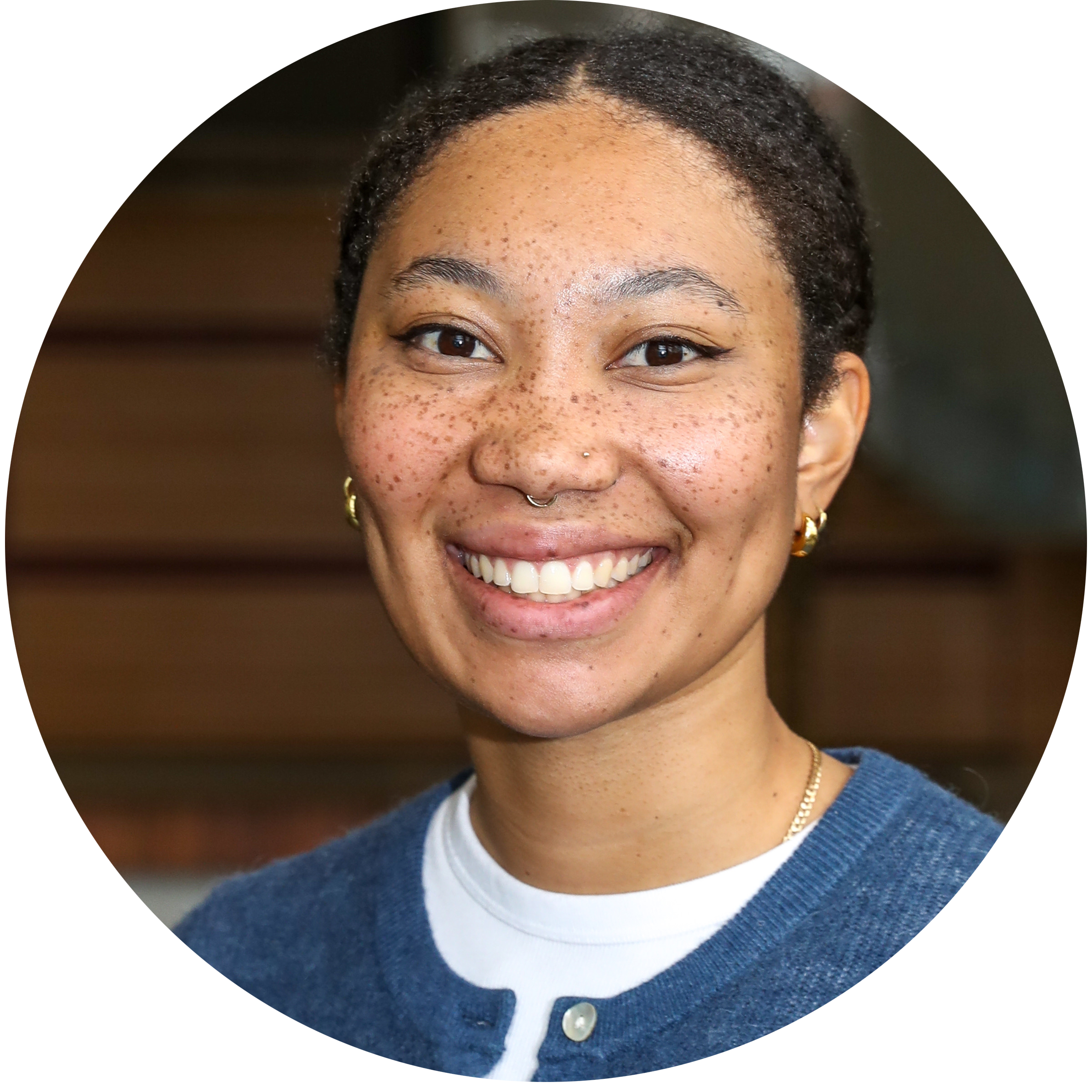
Taylor Jones
Life Science Research Professional
Taylor earned her B.S. in Molecular, Cellular, and Developmental Biology from UC Santa Cruz. She later worked in quality control at Stanford Medicine’s Laboratory for Cell & Gene Medicine (LCGM), where she assessed the safety and efficacy of CAR T cell therapies for clinical trials. Currently, she is investigating strategies to enhance the efficacy of CAR T cell therapy following allogeneic hematopoietic cell transplantation (allo-HCT) and supporting research into how the intestinal microbiome influences CAR T cell activity.
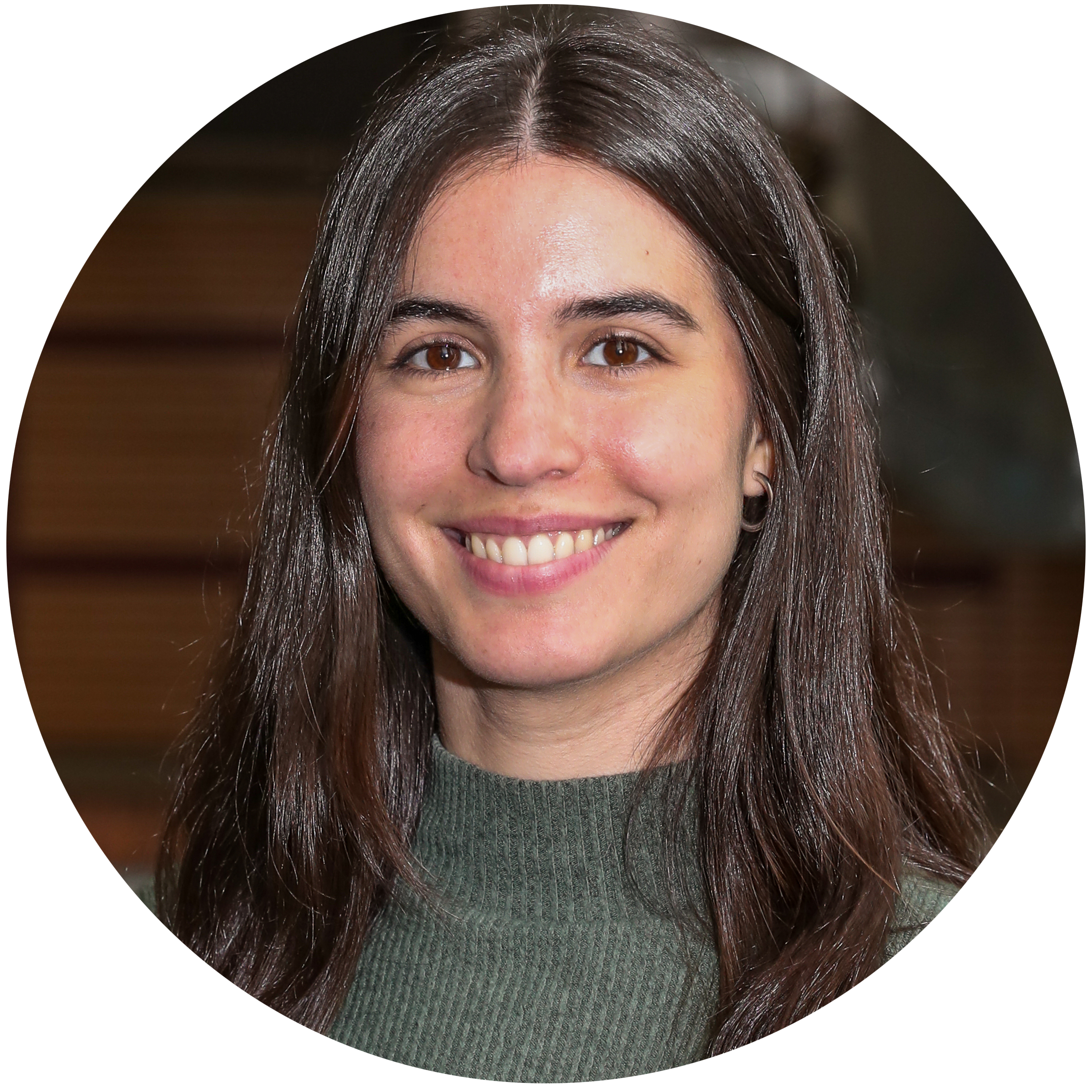
Maria Solsona
Postdoctoral Fellow
Maria received her B.S. in Microbiology from Universitat Autònoma de Barcelona and her M.Sc. in Molecular Medicine from Trinity College Dublin. From 2020 to 2024, she completed her Ph.D. in Prof. Mark Webber’s group at the Quadram Institute, focusing on investigating the mechanisms of antimicrobial resistance to prevent and control major bacterial pathogens that cause hospital-acquired infections. Maria joined the Smith lab in October 2024, where she will explore the impact of the intestinal microbiome on CAR-T cell activity.
Lab Alumni – Former Members
Nadia Kaveh, LSRP 1
M.Sc, M-TRAM, Stanford University
Sneh Patel, LSRP 1
Student at Nova Southeastern University College of Osteopathic Medicine
River Joo, LSRP 1
Preparing to apply for veterinary school
Magdiel Perez-Cruz, Research Scientist
Lab Alumni – Summer Students
Courtney Jeffers, Summer Student (2024)
Student at Morehouse School of Medicine
Jasira Jzar, Summer Student (2024)
Undergraduate at Howard University
Isabella Szabo, BioX Summer Student (2023)
Undergraduate at Stanford University
Charlotte Macrae, Summer Student (2022)
Undergraduate at Boston University
Emmanuel Dwomoh, ASH MMSAP Recipient Summer Student (2022)
Student at the Frank H. Netter MD School of Medicine
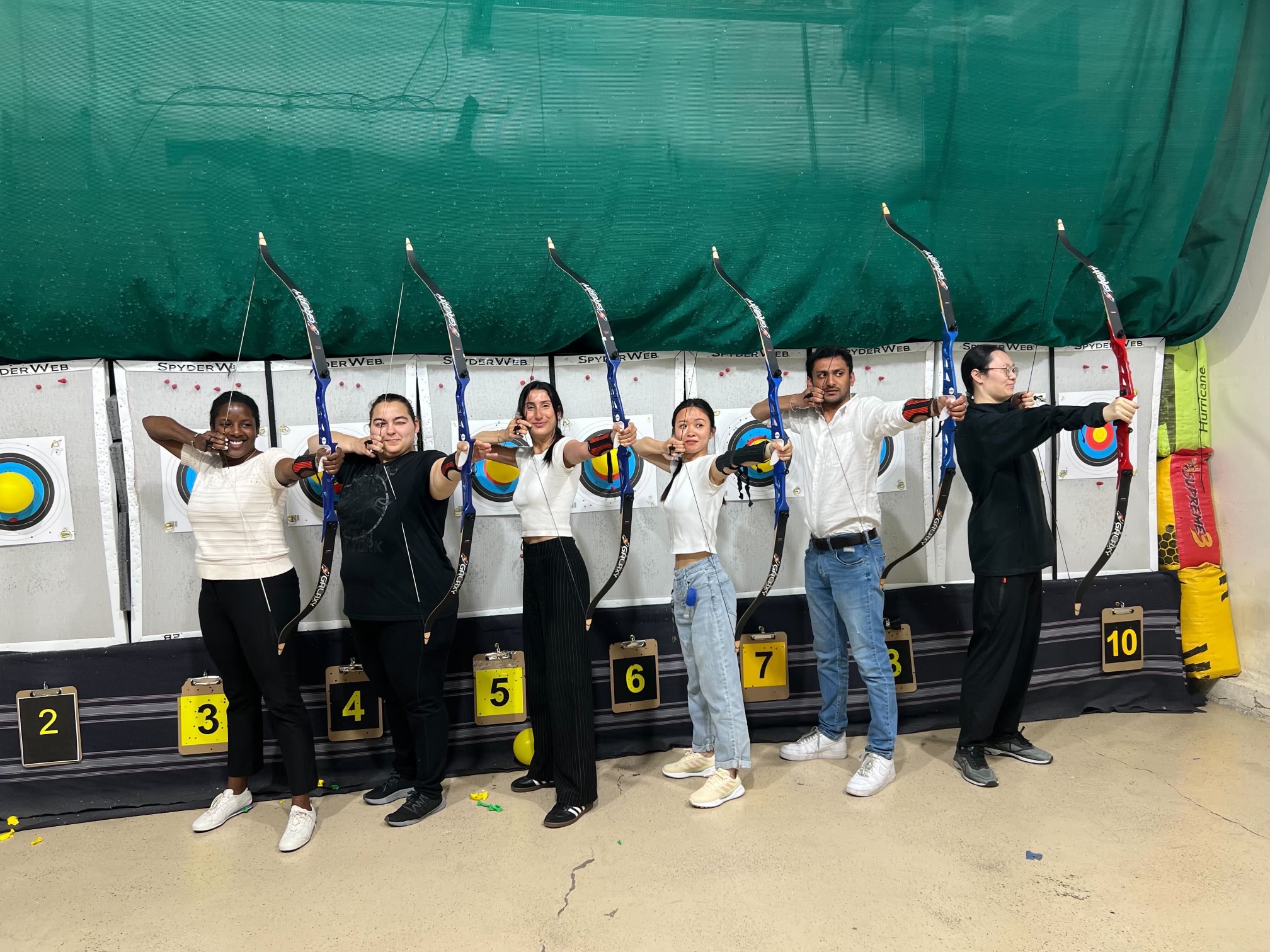
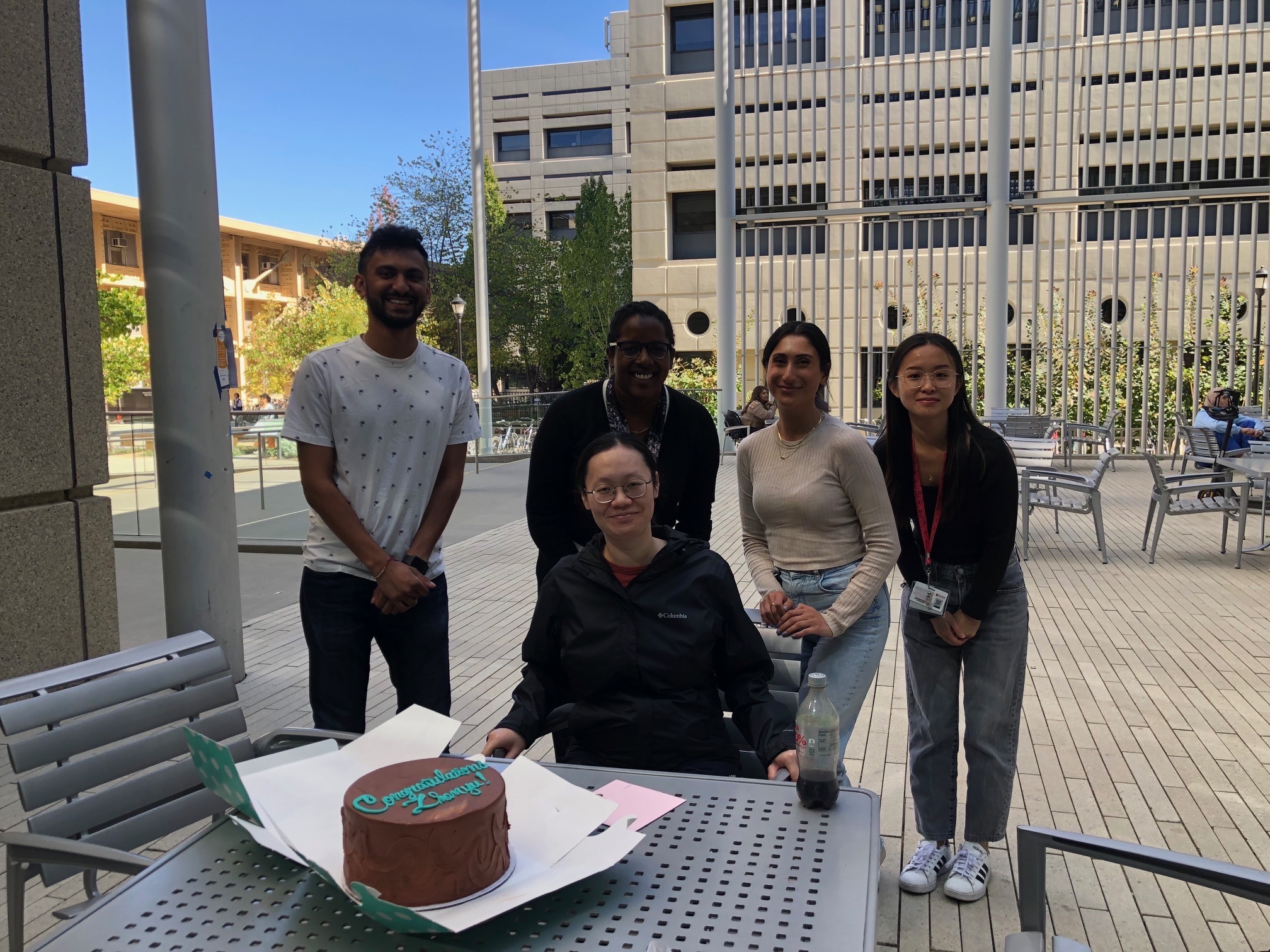
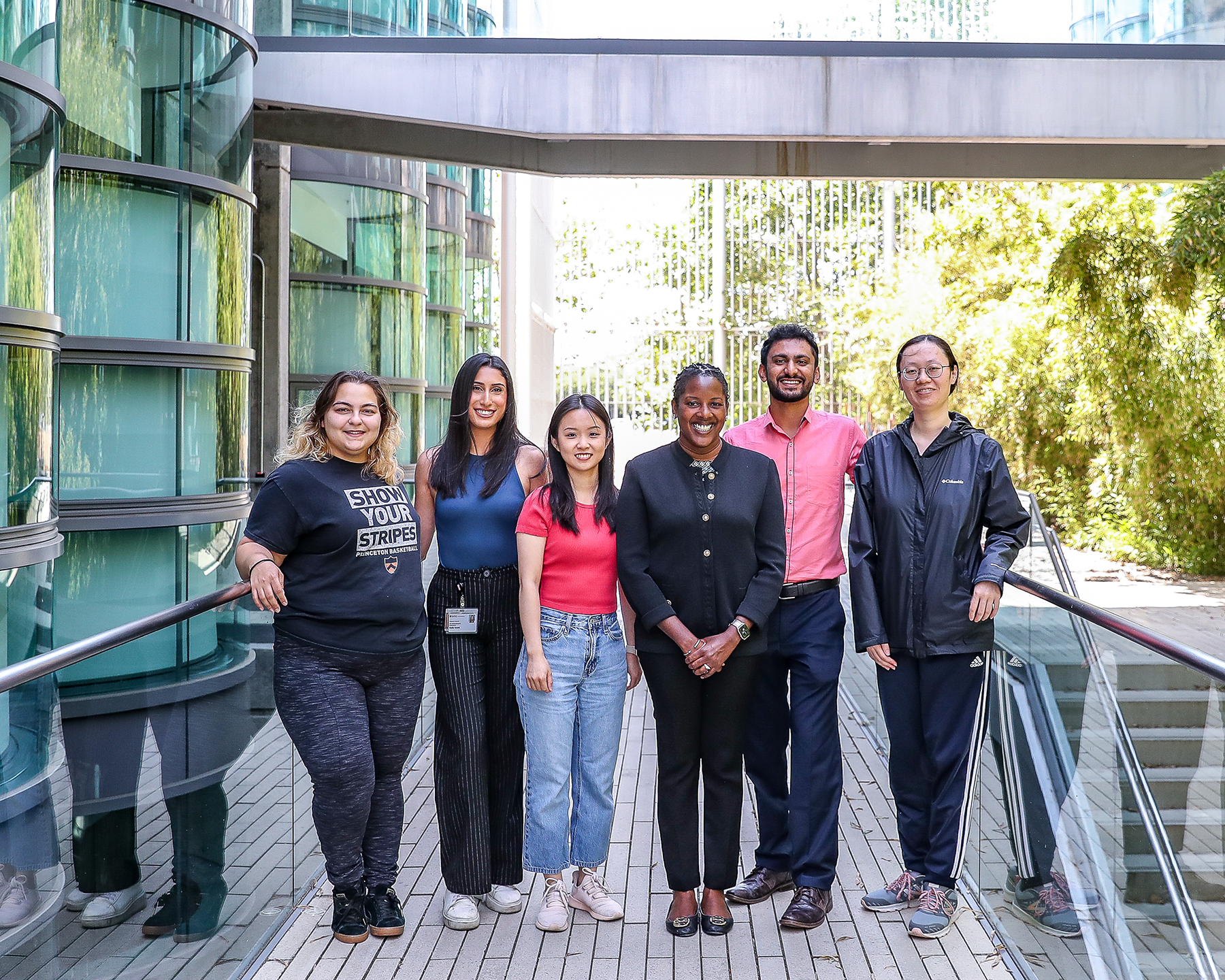
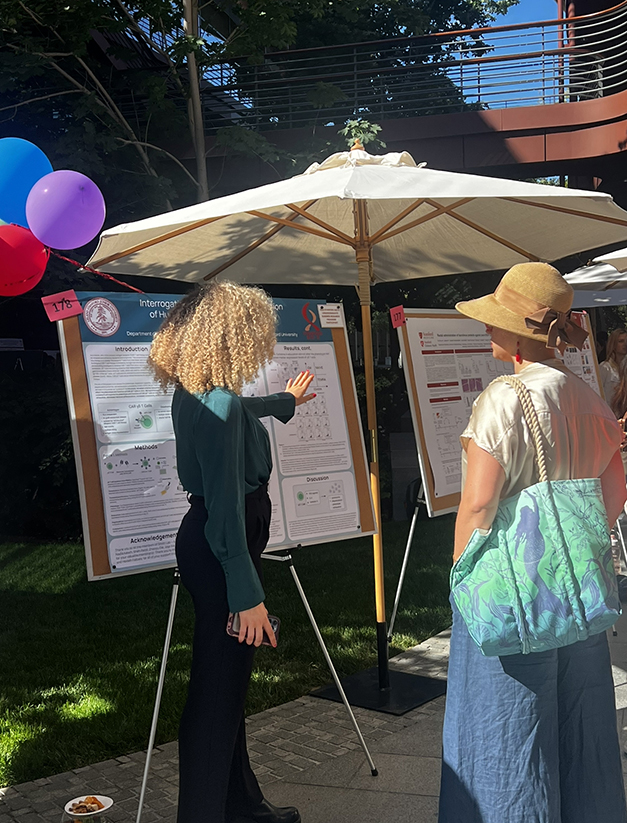
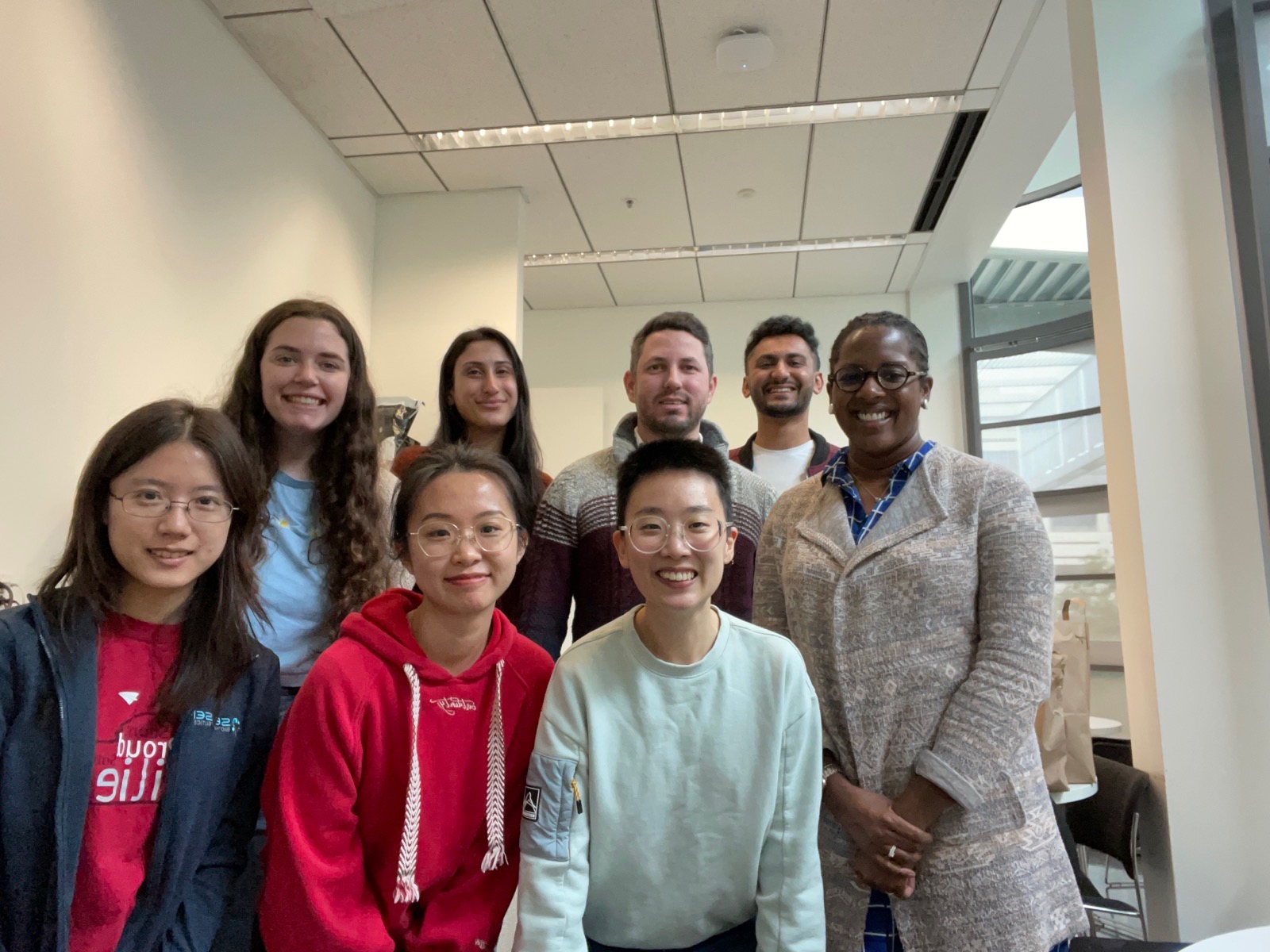
Gallery





Featured Publications
Bold: Smith Lab member
Underline: equal contribution
Italic: corresponding author
Ghosh A, Smith M, James SE, Davila ML, Velardi E, Argyropoulos KV, Gunset G, Perna F, Kreines FM, Levy ER, Lieberman S, Jay HV, Tuckett AZ, Zakrzewski JL, Tan L, Young LF, Takvorian K, Dudakov JA, Jenq RR, Hanash AM, Motta AC, Murphy GF, Liu C, Schietinger A, Sadelain M, van den Brink MR. Donor CD19 CAR T cells exert potent graft-versus-lymphoma activity with diminished graft-versus-host activity. Nat Med. 2017 Feb;23(2):242-249. doi: 10.1038/nm.4258. Epub 2017 Jan 9. PMID: 28067900; PMCID: PMC5528161.
Jain T, Knezevic A, Pennisi M, Chen Y, Ruiz JD, Purdon TJ, Devlin SM, Smith M, Shah GL, Halton E, Diamonte C, Scordo M, Sauter CS, Mead E, Santomasso BD, Palomba ML, Batlevi CW, Maloy MA, Giralt S, Smith E, Brentjens R, Park JH, Perales MA, Mailankody S. Hematopoietic recovery in patients receiving chimeric antigen receptor T-cell therapy for hematologic malignancies. Blood Adv. 2020 Aug 11;4(15):3776-3787.
Vardhana SA, Hwee MA, Berisa M, Wells DK, Yost KE, King B, Smith M, Herrera PS, Chang HY, Satpathy AT, van den Brink MRM, Cross JR, Thompson CB. Impaired mitochondrial oxidative phosphorylation limits the self-renewal of T cells exposed to persistent antigen. Nat Immunol. 2020 Sep;21(9):1022-1033. doi: 10.1038/s41590-020-0725-2. Epub 2020 Jul 13. PMID: 32661364; PMCID: PMC7442749.
Schluter J, Peled JU, Taylor BP, Markey KA, Smith M, Taur Y, Niehus R, Staffas A, Dai A, Fontana E, Amoretti LA, Wright RJ, Morjaria S, Fenelus M, Pessin MS, Chao NJ, Lew M, Bohannon L, Bush A, Sung AD, Hohl TM, Perales MA, van den Brink MRM, Xavier JB. The gut microbiota is associated with immune cell dynamics in humans. Nature 588, 303–307 (2020). https://doi.org/10.1038/s41586-020-2971-8
Smith M, Dai A, Ghilardi G, Amelsberg KV, Devlin SM, Pajarillo R, Slingerland JB, Beghi S, Herrera PS, Giardina P, Clurman A, Dwomoh E, Armijo G, Gomes ALC, Littmann ER, Schluter J, Fontana E, Taur Y, Park JH, Palomba ML, Halton E, Ruiz J, Jain T, Pennisi M, Afuye AO, Perales MA, Freyer CW, Garfall A, Gier S, Nasta S, Landsburg D, Gerson J, Svoboda J, Cross J, Chong EA, Giralt S, Gill SI, Riviere I, Porter DL, Schuster SJ, Sadelain M, Frey N, Brentjens RJ, June CH, Pamer EG, Peled JU, Facciabene A, van den Brink MRM, Ruella M. Gut microbiome correlates of response and toxicity following anti-CD19 CAR T cell therapy. Nat Med 28, 713–723 (2022). https://doi.org/10.1038/s41591-022-01702-9
Docampo MD, da Silva MB, Lazrak A, Nichols KB, Lieberman SR, Slingerland AE, Armijo GK, Shono Y, Nguyen C, Monette S, Dwomoh E, Lee N, Geary CD, Perobelli SM, Smith M., Markey KA, Vardhana SA, Kousa AI, Zamir E, Greenfield I, Sun JC, Cross JR, Peled JU, Jenq RR, Stein-Thoeringer CK, van den Brink MRM. Alloreactive T cells deficient of the short-chain fatty acid receptor GPR109A induce less graft-versus-host disease. Blood. 2022 Apr 14;139(15):2392-2405. doi: 10.1182/blood.2021010719. PMID: 34653248; PMCID: PMC9012131.
Jain, MD., Smith, M., Shah, N.; How I treat refractory CRS and ICANS after CAR T-cell therapy. Blood 2023; 141 (20): 2430–2442. doi: https://doi.org/10.1182/blood.2022017414
News & Events


ASCI Young Physician-Scientist Awards, 2025
The ASCI Council Young Physician-Scientist Awards (YPSA) recognize physician-scientists who are early in their first faculty appointment and have made notable achievements in their research. With these awards, the ASCI seeks to encourage and inspire early-career physician-scientists through participation in the AAP/ASCI/APSA Joint Meeting, and virtual community activities throughout the year.
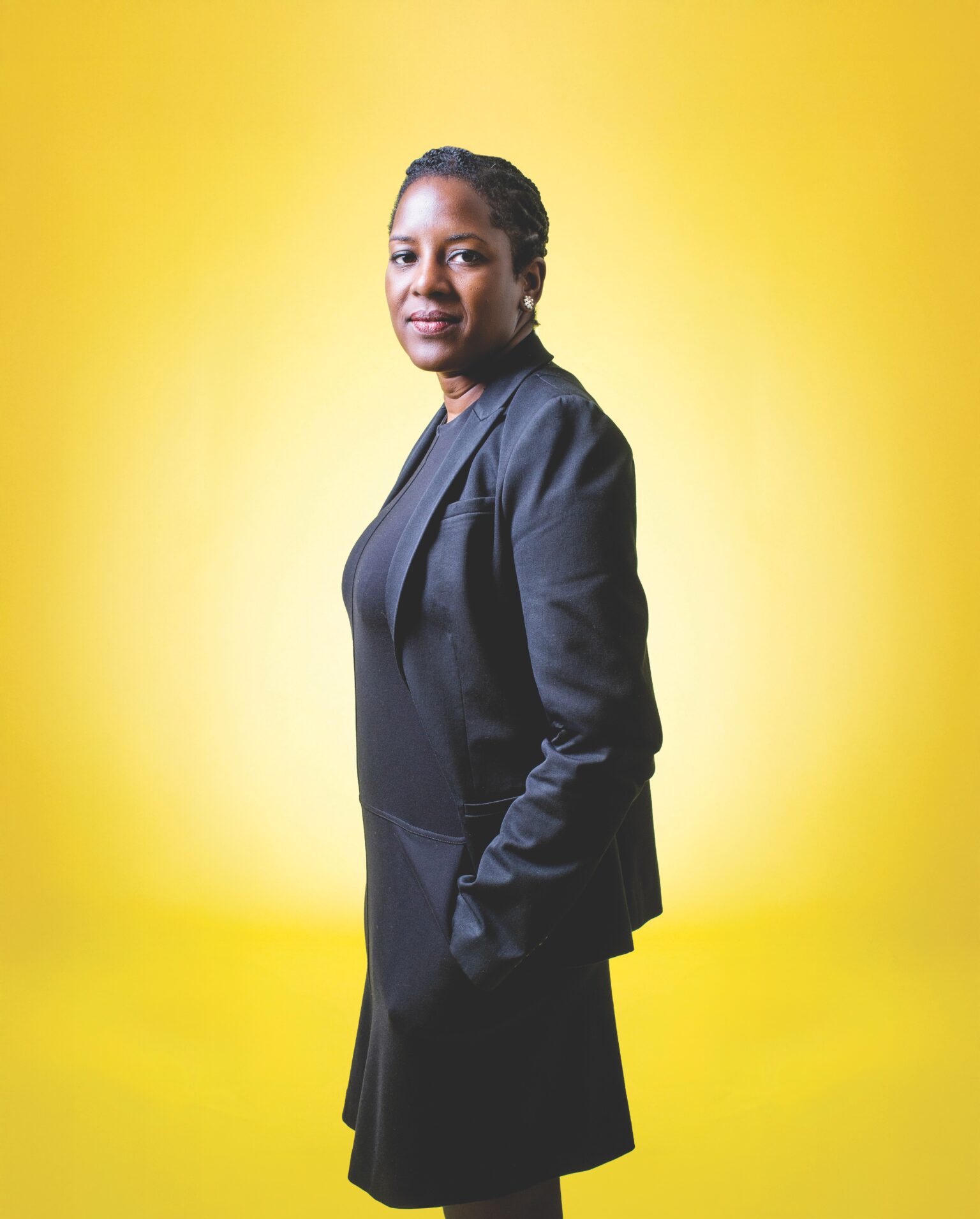
Stanford Medicine Magazine: Lifting the Burden of Cancer
Discover how Stanford Medicine researchers are developing cellular therapies to treat cancer.

2023 National Marrow Donor Program/Be the Match Amy Strelzer Manasevit Research Fellows
National Marrow Donor Program (NMDP)/Be The Match® announced two recipients of its Amy Strelzer Manasevit Research Program grant for 2023. The grant underscores NMDP/Be The Match’s commitment to research to advance the future of care and improve outcomes for patients diagnosed with life-threatening blood cancer or blood diseases.

NMDP Amy Strelzer Manasevit Research Program
Each year, the Amy Research Program provides critical grants for early-career physician-scientists who are doing innovative work that can help patients thrive after cell therapy. Amy Scholars receive up to $400,000 over five years to support their research. Dr. Smith received the award in 2023 for her research on donor CD19/CD22 CAR T cells as prevention of relapse following graft engineered allogeneic hematopoietic stem cell transplantation.

Keypoint Newsletter: Welcome To The Fellows Class Of 2023
Keystone Symposia is pleased to introduce the Keystone Symposia Fellows Class of 2023! This year we welcome ten early-career investigators who represent an exciting line-up of rising talent in biological and biomedical research.
Mentorship Program Under ASH’s Minority Recruitment Initiative Marks 20 Years of Success
Twenty years ago, the American Society of Hematology launched its Minority Recruitment Initiative (MRI), a multifaceted effort to attract more medical students from traditionally underrepresented backgrounds to hematology and increase the number academic and research appointments offered to hematologists from such backgrounds.
Research Support

Join the Lab
The Smith lab is looking for motivated and bright post-doctoral fellows and graduate students who are passionate about using a diverse range of laboratory techniques to make immunological advances.
The Smith lab is looking for talented undergraduates to assist in different research projects developing allogeneic CAR-T cell therapy and examining the impact of the intestinal microbiome on CAR-T therapy. This lab would be a great opportunity for students interested in a wet lab experience to develop techniques in immunology and molecular biology. The ideal candidate is organized, driven, passionate, and excited to learn new things. While prior research experience is not required, it could be advantageous. Priority for new members will be given to applicants who can commit to a longer research period in the lab, as necessary training and projects take time to carry out.
Is this you? If so, please contact us.
Lab Address
Laboratory of Melody Smith, MD, MS
Stanford University, CCSR 2260,
269 Campus Dr, Palo Alto, CA 94305
